Why Auto Insurance Rates Differ From One Driver to the Next
Many drivers notice that their renewal price does not match what a neighbor or coworker pays for similar coverage. Rate differences come from a combination of factors that insurers evaluate differently.
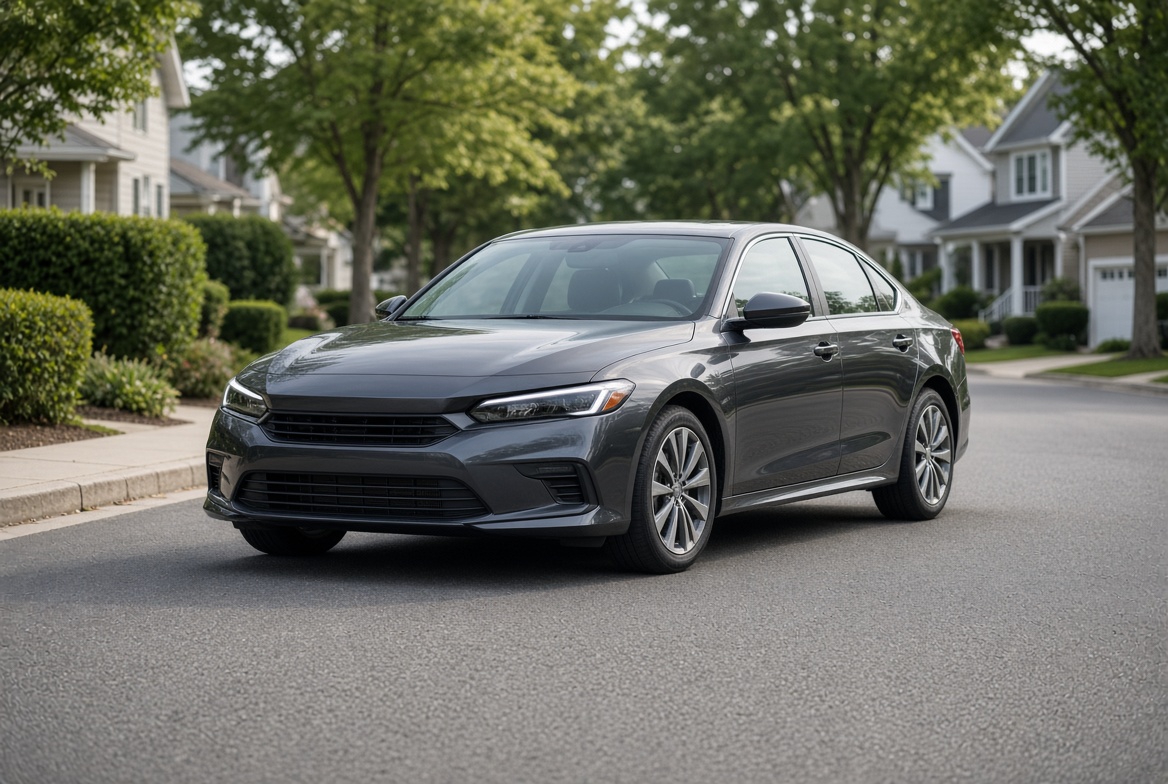
Location is one of the larger variables. ZIP codes can affect pricing because of local claim frequency, weather patterns, traffic density, and repair costs. Two addresses a short distance apart can produce different results even when the drivers and vehicles are similar.
Driving history also plays a role. Accidents, violations, and years of continuous coverage are reviewed by most carriers. A clean record does not guarantee a lower rate, but it is one of the inputs underwriters use when they calculate a quote.
Vehicle choice matters as well. Safety features, repair costs, theft rates, and the model year influence pricing. A newer vehicle with advanced driver-assistance systems may be priced differently than an older model, depending on the carrier’s rating factors.

Coverage levels create further variation. Liability limits, deductibles, and optional coverages such as comprehensive or collision change the overall premium. Higher limits or lower deductibles generally increase the cost, while higher deductibles can lower it. The right balance depends on the individual driver’s risk tolerance and financial situation.
Credit-based insurance scores are used by many carriers in states where they are permitted. These scores are distinct from regular credit scores and are calculated using information insurers believe correlates with claim likelihood. Not every state allows this factor, and not every carrier weights it the same way.
Annual mileage and how the vehicle is used also appear in rate calculations. A car driven primarily for commuting may be priced differently from one used mostly for local errands. Some carriers offer discounts or different rating tiers based on reported mileage or telematics data.
Discounts vary by company. Common ones include multi-policy, multi-vehicle, good driver, defensive driving course, and anti-theft device discounts. Availability and the size of the discount differ across carriers. A discount listed by one company may not be offered by another, or the qualification rules may differ.
When rates change at renewal, it is often because one or more of these factors shifted. A new claim, a change in address, an added driver, or an update to the insurer’s overall rating plan can all affect the premium. Shopping for quotes is one way drivers review whether their current rate still reflects the market for their situation.
Comparing quotes involves providing the same information to multiple carriers and reviewing the coverage details alongside the price. Not every carrier will return a quote for every driver, and the companies that respond do not represent the entire market. Final pricing and eligibility are determined by each insurer after underwriting review.
Driver Ledger is an independent comparison guide. It is not an insurance company and does not issue policies. Any quotes or offers come from the carriers that choose to respond to a request. Results and availability vary by location, driving record, vehicle, coverage choices, and other underwriting factors.
Check Rates Near YouThere is no cost to start a rate check. Completing a form does not obligate you to purchase a policy. Always review the coverage details, deductibles, and any exclusions before deciding whether a quote fits your needs.
This page is advertorial content. Driver Ledger may receive compensation if a visitor completes a request with a partner. The opinions expressed are those of the author. Individual results and experiences vary. Always verify licensing and details with any insurer before purchasing coverage.